

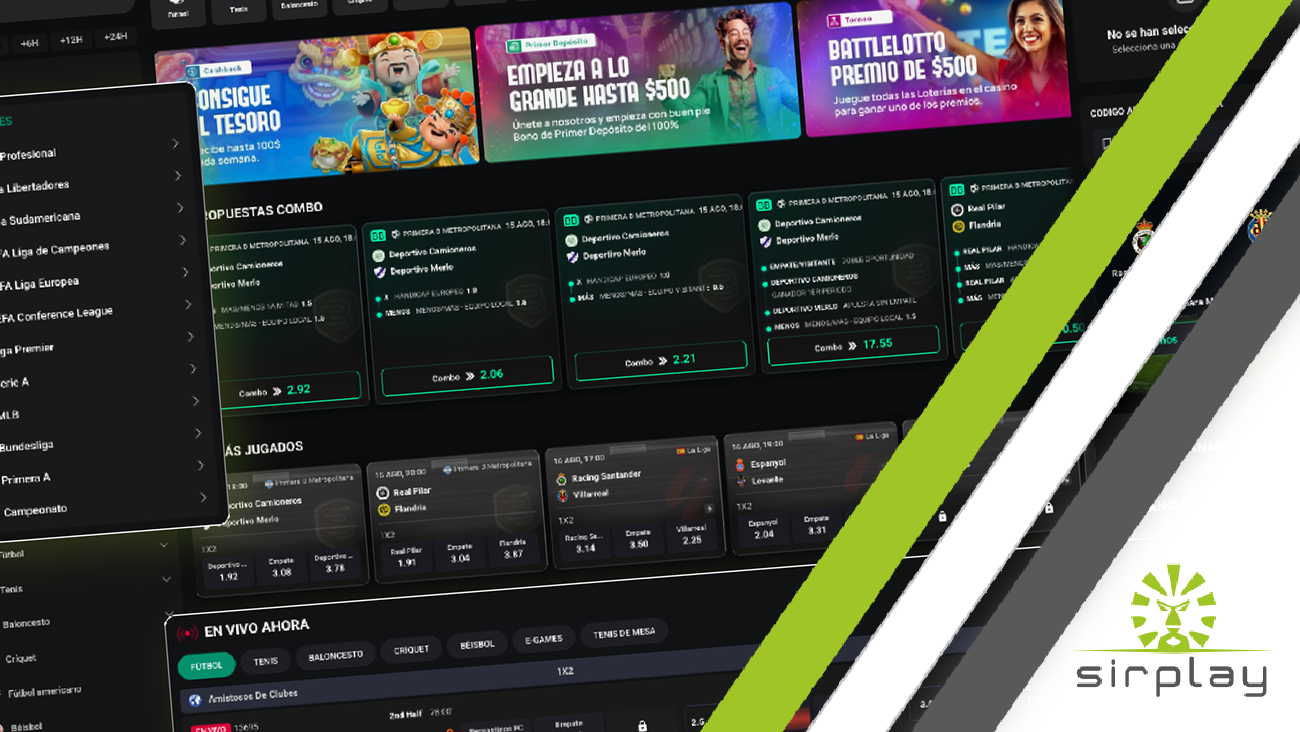
The label is used loosely across B2B iGaming. One vendor means a branded skin on a shared licence. Another means a full sports betting software package the operator runs under its own licence. A third uses white label, turnkey and managed service for the same product. Before a commercial term sheet is signed, the useful question is not the badge. It is who holds the licence, who owns the player account, who settles bets, and who answers the regulator if something fails.
What the operator actually buys
In a typical white label gambling solution the buyer does not commission a betting engine from scratch. The package already includes a sportsbook front end, a trading and settlement layer, odds, a back office and hosting. Branding, language, currency and domain are configured around the operator. The point of the model is time to market: a configured stack can go live in weeks once assets, payments and market scope are clear.
Sirplay describes its white label as sportsbook, casino and Web3 modules for licensed operators, with the platform, odds, risk tools and launch support on the provider side. On its public FAQ, a configured white-label stack can go live in about 10 working days after assets and market scope are clear. Licensing in the target country sits with the operator. Those two sentences should be read together. Speed of configuration is not a licence.
A practical sportsbook platform in this model usually covers pre-match and live betting, market creation, bet acceptance and settlement, exposure monitoring and limit setting. Sirplay’s sportsbook materials also list Bet Builder and mobile-ready widgets. Casino content, where included, is a separate catalogue: slots, live casino and lobby configuration, not a by-product of the odds feed. Add-ons such as virtual games, e-sports and poker are additional modules. They share a wallet only after identity and payments are agreed.
White label, turnkey, iframe and API
Industry pages disagree on these words, so this guide uses Sirplay’s own split and then the operational differences that matter in a contract.
- White label. The branded package the operator takes to market. The provider runs the core platform. Customisation is real but bounded: brand, templates, languages, currencies, odds formats and selected modules, not a rewrite of the trading engine.
- Turnkey. A full site, ready to operate. In Sirplay’s wording, turnkey is the complete site and white label is the branded package you operate. Other suppliers reverse those meanings. Ask what is included, not what the slide is called.
- Iframe. The sportsbook or casino is dropped into an existing player account system without a rebuild. The vendor hosts odds, markets and the betslip. The operator keeps domain, navigation and wallet bridge.
- API. The same engines, wired into the operator’s own front end. More control over product and pages. More engineering, and a longer path to launch.
None of these models removes the need for a lawful route to the target market. An embed, a skin or a full site is still gambling software. Whether it can be offered depends on the jurisdiction and the period of the licence, not on the integration method.
Who owns the brand, the players and the licence
Brand ownership is the easy part. Domain, logo, colours and marketing usually sit with the operator. Player ownership is a contract term, not a slogan. Confirm who is the merchant of record, who stores KYC files, who can export the database on exit, and who may contact players if the agreement ends.
Licensing is the hard part, and it is market-specific. In Great Britain, the Gambling Commission states that responsibility for compliance of all operating gambling websites, including white labelled sites, sits with the licence holder and cannot be transferred. The Commission’s page on third-party responsibilities, last updated on 8 November 2024, also notes that a white-label marketing partner cannot offer facilities for gambling unless it holds a relevant licence. In that model the public brand is often a marketing partner; the licensee remains the party offering the gambling facilities.
That British position is not a world rule. In some international setups the platform provider holds a B2C licence and the brand operates under that umbrella in the markets the licence actually covers. In others the operator must hold its own local licence, and the supplier is a B2B platform vendor. Highly supervised markets — the UK, and typically Spain, Sweden and US state regimes — expect the local operator to be approved. A supplier licence elsewhere does not open those markets. Confirm the market, the licence type and the date. Do not treat a white label contract as portable permission.
What stays with the operator after go-live
Even when the provider hosts the stack, the operator still runs a business. The work that does not disappear includes:
- Market selection and the licence path for each country and period.
- Brand, acquisition, CRM and the commercial offer, within the rules of that market.
- Oversight of affiliates and advertising. In Britain, the licence holder remains responsible for third parties it contracts with.
- Player checks the contract assigns to the operator: KYC, source of funds, and action on alerts.
- Payments scope: fiat, crypto, or both, and who holds customer funds.
- Reporting the board will actually use: GGR, exposure, bonus cost, failed settlements.
A provider can supply risk tools. It cannot supply the decision to accept a liability the operator does not want. Agree who can suspend a market, who sets limits, and who is on call during a major fixture.
Sportsbook scope worth specifying
A white label sports betting agreement should list the product, not only the brand wrap.
Odds and trading
Ask which feeds are included, whether the operator can adjust prices, and which odds formats are supported. Decimal, fractional and American formats cover most books; some Asian markets expect Hong Kong, Indonesian or Malaysian formats. Sirplay states that its platforms support multiple languages and currencies and those odds formats. Confirm that the list matches the markets you will open.
Live betting and bet builders
Live betting is where latency, suspension rules and liability show up. A Bet Builder, or same-game parlay, needs its own pricing and risk limits. If either product is on the roadmap rather than in the current build, write that down. Do not assume a sportsbook demo includes every module in the brochure.
Risk management
Useful tools are exposure by event, customer and market, stake limits, and a clear alert path. Sirplay refers to risk management tools, including Nash AI, on its white label betting platform page. Treat named tools as items to review in a demo, not as a guarantee of outcome. No risk system removes trading loss.
Casino, live casino and add-ons
Many operators do not buy a sportsbook alone. A white label casino solution adds a lobby, slots and live casino tables, usually from third-party studios, under the same brand. The commercial terms differ from sports: studio fees, aggregation and content certification are separate from the odds feed.
Live casino needs studio hours, table limits and a stable stream into the same wallet. If the sportsbook is an iframe and the casino is another iframe, identity still has to be one player ID. Otherwise bonus, KYC and responsible-gambling limits fragment.
Gaming add-ons extend the same account rather than creating a second brand. The modules operators usually evaluate next are:
- Virtual games. Scheduled or on-demand events, online and sometimes retail, via iframe or API.
- E-sports. A fixture list and odds feed that is not a copy of traditional sport. Rights and integrity rules differ by competition.
- Poker. Often a network integration, not a standalone table the operator liquidity-seeds alone. Ask which network, and who handles the player pool.
Sirplay’s additional services pages present sportsbook, casino, virtual games, e-sports betting and poker as modules an operator can explore. Scope them in the demo. A module name on a menu is not evidence it is licensed for your market.
Crypto and Web3, without mixing the models
A crypto sportsbook accepts coins, often into a custodial wallet the platform or a payment partner operates. A Web3 setup may connect external wallets. Sirplay states that its crypto stack dates from 2017 and that Web3 wallets were in use on its side from 2021. Those are product claims to verify against the build you will launch, not a regulatory status.
Crypto rails do not replace a gambling licence. A payment partner’s registration covers the payment activity it is authorised for. Player due diligence and reporting to the gambling regulator normally remain with the party that holds the gambling licence. Write the split into the contract: who screens wallets, who files reports, who can freeze a balance.
How to compare suppliers in 2026
Price lists in vendor blogs are not comparable. Setup fees, revenue share and monthly minimums move with volume, markets and whether the supplier or the operator holds the licence. Ignore round numbers that are not in your draft contract. Compare the operating split instead.
- Licence map: which markets, whose name is on the licence, what happens if that licence is suspended.
- Player data: ownership, export format, notice period, and use of data after exit.
- Product list: sports, live betting, Bet Builder, casino, live casino, virtuals, e-sports, poker — in production, not on a slide.
- Integration: full site, iframe into an existing PAM, or API. One player ID across products.
- Trading control: who prices, who limits, who settles, who is on the night rota.
- Payments: fiat acquirers, crypto, chargebacks, and segregated funds where the market requires them.
- Certification: Sirplay states that its sportsbook is GLI-tested. Ask for the certificate scope and date if a regulator or lottery will ask for it.
- Support and change: hosting, monitoring, release calendar, and what a branding change costs after launch.
A short sportsbook demo should follow that list. Sirplay’s demo request is a request, not a booked slot: the team contacts the operator to agree date, time and scope. Use it to test the modules you will actually launch, including any casino or add-on, rather than a generic tour.
Questions operators ask
Is a white label the same as a turnkey sportsbook?
Not always. In Sirplay’s public wording, turnkey is a full site and white label is the branded package you operate. Other vendors swap the terms. Read the schedule of responsibilities.
Does the operator need its own licence?
It depends on the market and the period. Sirplay states that licensing in the target country sits with the operator. In Great Britain the Gambling Commission places compliance of white-label sites on the licence holder. A supplier licence in another jurisdiction does not authorise a local brand by itself.
Can an existing bookmaker add only the sportsbook?
Yes, if the contract allows an iframe or API into the current account and wallet. That is a different project from a full white label site. Identity, wallet events and responsible-gambling limits still have to match.
How fast is a launch?
Sirplay says a configured stack can go live in about 10 working days after assets and market scope are clear. Licensing, payments and content approvals can take longer. Quote the critical path, not only the configuration window.
Who is responsible if marketing breaks a rule?
In Great Britain, the licence holder. Contracts often push cost back to the brand partner through indemnities, but the regulator’s counterpart remains the licensee. Other markets need their own reading. This article is not legal advice.
A decision, not a template
A white label sportsbook is the right shape when the operator wants a branded book without building odds, settlement and hosting, and when the licence path for the chosen markets is already understood. It is the wrong shape when the operator needs full ownership of the trading stack, or when the target market will not accept operation under someone else’s licence. Casino, live casino and add-ons can sit on the same brand once the account model is stable. They should be scoped, not assumed.
If you are comparing a white label betting platform with an iframe or an API sportsbook, request a demo scoped to your markets and modules: Demo Requests.