

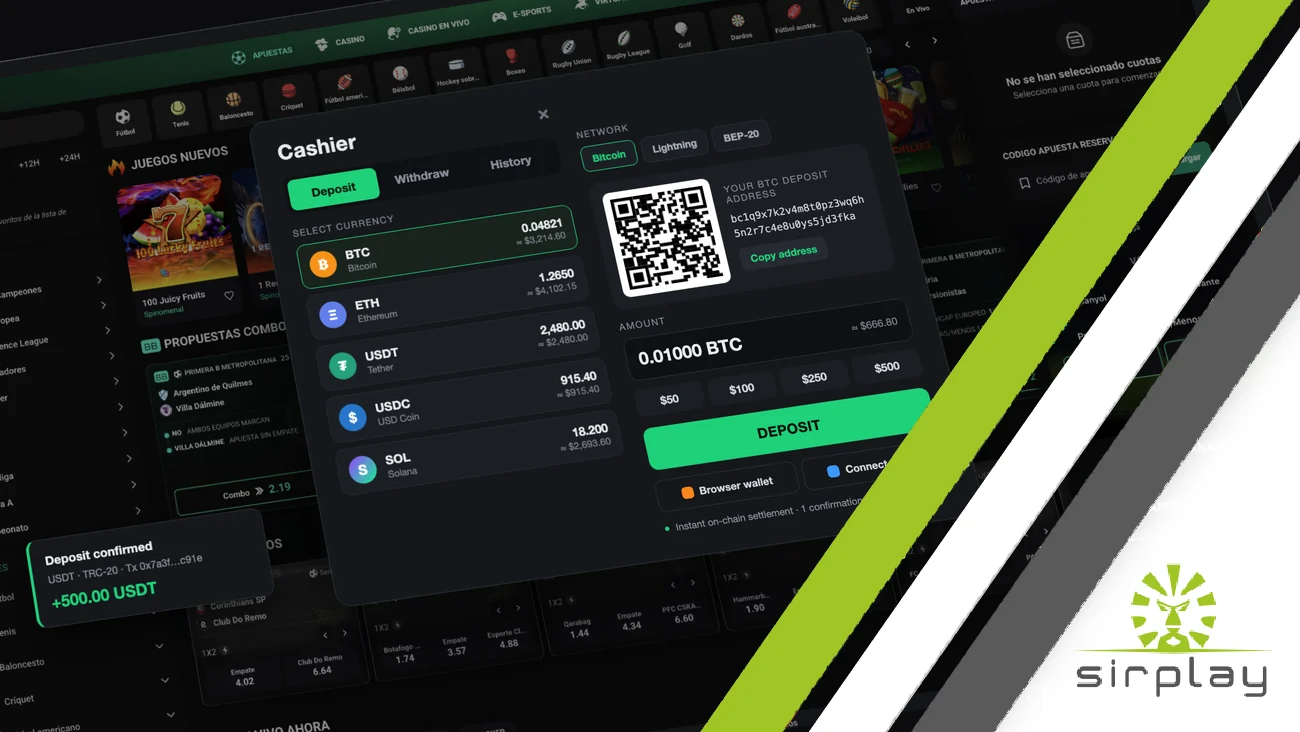
A crypto casino platform is software. It is not a gambling licence, not a promise that player funds sit with the vendor, and not a permit to skip identity checks. Licensed operators use crypto casino software to configure wallets, a cashier and game modules under their own brand. The operator keeps the licence, the KYC/AML programme and the player-fund duty. This guide maps that split: white-label and turnkey, wallet architecture, the crypto cashier, and what a no-KYC module actually configures.
Key Takeaways
- Crypto casino software is a platform the operator configures: it is not a gambling licence and does not move player funds or KYC duties to the vendor.
- White-label and turnkey are delivery models; neither one transfers a licence.
- Wallet setup decides who holds the keys: custodial cashier, non-custodial Web3 connection or an integrated operator token.
- The crypto cashier controls rates, commission, cold-wallet sweeps and listed coins, but it does not replace payment or AML authorisations.
- A no-KYC module is a software setting on the payment path, not permission to skip player checks where the licence requires them.
Table of contents
- Who this is for
- White-label and turnkey are delivery models, not licences
- Wallet architecture: who holds the key
- What the crypto cashier does, and what it does not
- No-KYC modules: a configuration, not a permission
- What Sirplay sells, and what it does not sell
- How to read a vendor demo
- Questions operators ask
Who this is for
Two readers. A crypto-native founder who needs a concrete picture of a white-label stack before talking to a vendor. An operator already live in Latin America, Africa or Europe who is comparing cashier control, go-live time and risk tools. If the white-label model itself is new to you, start with what a white label in betting actually includes; if you are adding a casino to an existing licence, read how to start an online casino as an operator. If you want player tips or a bonus code, this page is not for you. Sirplay does not run a consumer casino on this site.
White-label and turnkey are delivery models, not licences
White-label crypto casino software is a configured platform carrying the operator’s brand, odds or game lobby, and back office. Turnkey means the same stack with more of the launch work done by the vendor: templates, hosting, feeds, a first cashier setup. Neither model transfers a gambling licence. A module name in a menu is not evidence that the module is lawful in the market you want to enter.
Operators who also want a sports vertical should scope it as sportsbook software, not as a tab inside the casino lobby. Same player ID, same wallet, separate trading risk. Sirplay’s White Label Casino can share that wallet, but live-dealer limits, studio hours and bonus rules are a different buy from a pre-match feed.
Sirplay’s public product notes date a first Bitcoin sportsbook conversion to 2017 and Web3 wallet use to 2021. Treat both as product history to verify on the build you will launch, not as a regulatory status.
Wallet architecture: who holds the key
A wallet in this stack is a settlement endpoint, not a marketing badge. Three patterns cover almost every serious build.
- Custodial cashier wallet. Deposits land in addresses the platform or a payment partner operates. The operator, or the contracted custodian, holds the keys. Auto-withdrawal to a cold wallet can run on a schedule or a balance threshold. This is the pattern most fiat-trained bookmakers recognise.
- Non-custodial Web3 connection. The player signs from an external wallet. On the Sirplay crypto casino stack those connections include MetaMask, Trust Wallet, Phantom, Argent, Ledger and MyEtherWallet, among others. The phrase on the product page is precise: only the key holder has full control of that key. If the operator does not hold it, the operator cannot promise a reversal. For a wallet-first build, where login and settlement start from the player’s own wallet, see the Web3 casino configuration.
- Operator token. A branded token can be accepted if it is integrated. Integration is a project, not a toggle. NFT hooks are scoped separately; public notes put a simple NFT integration in the order of two weeks, which is a starting estimate, not a contract.
Direct coins listed for cashier settlement include Bitcoin, Ethereum, Litecoin, Dogecoin, Monero, XRP, Tron, BNB, and USDT and USDC on ERC-20, TRC-20 and BEP-20. Other assets go through the Web3 wallets above. Rates and commission can be set by the operator. Overpayments can notify; partial payments can be formed. None of this decides which coins your licence allows you to touch. Privacy coins deserve their own line in the legal review: several regulators and payment partners already refuse anonymity-enhancing assets such as Monero, and EU anti-money-laundering rules restrict them for regulated crypto service providers from 2027. The software can list a coin; the licence decides whether you may accept it.
What the crypto cashier does, and what it does not
The cashier is the control room between the lobby and the chain. In a competent back office the operator can set the displayed rate, the commission, the cold-wallet sweep and the coins on offer. Players can be offered a path to buy crypto inside the platform only where that purchase flow is integrated and lawful for the operator’s market.
The cashier does not replace a payment-service authorisation. A processor’s registration covers the payment activity it is allowed to perform. It does not cover the gambling offer. Chargeback risk is lower on chain than on cards; that is a payments fact, not an AML exemption. Fraud tools, IP geolocation and account controls still sit in the back office because on-chain transparency does not identify a person.
No-KYC modules: a configuration, not a permission
On the crypto casino product, “no KYC” describes a payment-processor path that does not itself force identification before the processor is used. Read that sentence again. It is a software setting. It is not a statement that players in your market may gamble without due diligence.
In practice, the real constraint is the licence. In regulated markets the party that offers the game is the party that files KYC and AML, sets deposit limits, and can freeze a balance. The international baseline is the FATF guidance on virtual assets and virtual asset service providers, which applies the same customer due diligence logic to crypto as to any other payment rail. A founder who configures the module off, then discovers the regulator requires it on, has not found a loophole. They have misread who carries the legal duty.
Write the split into the contract before go-live: who screens wallets, who files reports, who can freeze a balance, who answers the regulator. Sirplay configures the platform. The operator carries the legal duty.
What Sirplay sells, and what it does not sell
Sirplay is an iGaming software organisation founded in 2005. It supplies sportsbook, casino and crypto platform technology to licensed operators. The checklist below is the point of this article. Vendors that lead with awards rarely publish the right-hand column.
| Sirplay sells | Sirplay does not sell |
|---|---|
| White-label and turnkey platform software for casino and sportsbook | A gambling licence, or a legal opinion that your market allows the offer |
| Crypto cashier: listed coins, rates, commission, cold-wallet sweeps | Custody of player funds as the operator of record |
| Web3 wallet connections and optional operator-token integration | A guarantee that every wallet or dapp on a marketing list is in your build |
| A configurable no-KYC path on the payment processor | An exemption from KYC/AML, or advice to avoid player identification |
| Back office, bonus tools, geolocation, fraud flags, game aggregation into the lobby | The game studios’ own licences, or a promise of catalogue size as a procurement fact — verify the feed you will actually enable |
| Risk and trading tools, including Nash AI where it is in scope | A trading profit, or coverage of winnings unless that service is separately contracted |
How to read a vendor demo
Fortune favours the founder who asks for a screen, not a slogan. In the demo, ask to see four things: a deposit landing in the cashier, a Web3 signature from an external wallet, the switch that governs processor KYC, and the role that can freeze a balance. If the fourth item is missing, you are looking at a lobby, not an operator platform. On Sirplay’s side, a demo can be opened within 24 hours of a request, and a configured white-label stack typically goes live in about 10 working days once brand assets and market scope are clear. That clock does not include the licence, which runs on the regulator’s calendar, not the vendor’s.
Then ask who appears on the player-fund account and whose name is on the licence application. If the answer is the vendor, you are not buying software. You are being invited into someone else’s offer. That is a different contract, and it is not this one.
Questions operators ask
No. The software is the platform an operator configures. A crypto casino, in the consumer sense, is an offer of games to the public. Sirplay sells the first. It does not operate the second on this website.
No. White-label is brand, configuration and launch support. Licensing, KYC/AML and player funds stay with the operator.
It changes whether that payment-processor path demands identification before use. It does not change the operator’s duty to identify players where the licence or the local AML law requires it.
Yes, if both verticals are scoped on one player account. Trading risk for the sportsbook and game configuration for the casino remain separate controls.
Public product notes list BTC, ETH, LTC, DOGE, XMR, XRP, TRX, BNB, and USDT and USDC on ERC-20, TRC-20 and BEP-20. Other assets route through Web3 wallets. Your licence may allow fewer than the software does.
When the market, the brand assets and the licence path are clear enough to scope a cashier and a wallet model. A demo before that is a tour. Request a demo with the market and the custody model written in the first line.